Food for Health and Beauty
Healthy food and beauty food through the lens of global food culture. From chefs, hotels, ingredients and dining experiences to wellness and expert-created recipes, we look at the evolving value of food around the world.


Side Dish Recipes
Because side dishes aren’t the main event, they can be the quiet support your body relies on every day.
From miso, koji and natto to seaweed, matcha, yuzu, black sesame, herbs and carefully selected seasonal ingredients, these recipes are designed to fit naturally into everyday meals.
Through simple side dishes, we bring beauty, balance and everyday nourishment to the table in an easy and mindful way. View All Recipes


Beauty Food News


Tableware
【Zürich】ooi | objects of interest

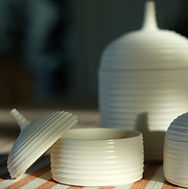


Quiet Beauty for Everyday Rituals
Based in Thalwil, Switzerland, ooi | objects of interest is the ceramic studio of Léonie de Montmollin, a ceramicist and former interior editor whose work brings together simplicity, function and a quiet sense of beauty.
Inspired by Japanese ceramic traditions, each piece is designed and made in Switzerland and individually thrown on the potter’s wheel using clay or fine porcelain. Her collection includes bowls, jars and small containers made to become part of everyday life — whether holding salt and spices in the kitchen or simply bringing a tactile, handcrafted presence to the table.
Rather than decoration for decoration’s sake, Léonie’s pieces are objects made to be used, touched and lived with.
【Devon】Feldspar

Where British Craftsmanship Comes to the Table
Made not simply to be displayed, but to be held, used and gradually become part of daily life. Feldspar’s pieces reflect the care and craftsmanship of British making, adding a quiet touch of beauty to familiar moments.
Based in Dartmoor, Devon, in the southwest of England, Feldspar is a design brand founded by Cath and Jeremy Brown. Guided by the idea of “Objects for Life,” the studio creates timeless homewares designed to be used every day and treasured for years to come.
Handmade in Feldspar’s Devon workshops, its tableware is crafted from fine bone china—a material prized for its delicate appearance and remarkable strength. Gently undulating surfaces and hand-painted handles in cobalt blue and other distinctive colours bring a subtle individuality to each simple form. From mugs and plates to bowls and jugs, every piece finds a natural place in the home and around the table.
This section features an editorial selection of brands we value.
You May Also Like


